

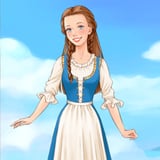
Folklore Fashion
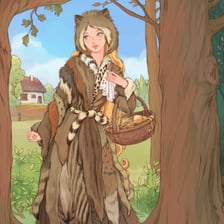
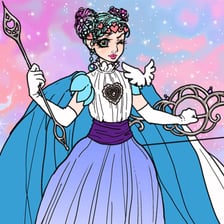
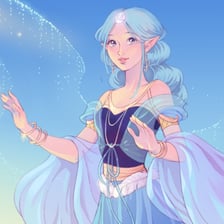
Folklore Fashion
Folk dress follows rules, and the rules are the reason this game is more interesting than it looks.
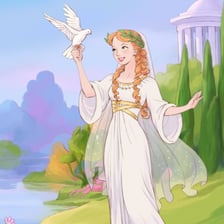
Colour meant something: red for a young unmarried woman in much of Eastern Europe, and a change of headwear the moment she married. Embroidery patterns belonged to villages, not to countries. Skirts were layered because layers were warmth and status at once. Folklore Fashion gives you a wardrobe built out of that vocabulary, drawn flat like a paper doll, and it is deep enough to build a coherent regional look or a deliberately impossible one.
One of the most played games here, and one worth taking slowly, because the pieces reward being matched properly.
French Folklore does the same thing for one country in more depth.
How to play Folklore Fashion
Headscarf or headdress first, for the same reason as in every folk costume: it sets the register for everything below. Blouse, then skirt, then apron, then the outer layer. Building out of order makes the layers sit wrong. Embroidery colour should repeat at least twice across the outfit. One isolated pattern always looks stuck on.
More games like this

Frequently asked questions
Which countries does the wardrobe come from?
It draws broadly on European folk dress, with the strongest pieces from the Slavic and Nordic traditions.
Is this game accurate to real folk costume?
The shapes, layers and embroidery vocabulary are drawn from real dress. The colour range is freer than any single region would have been.
What else is like this?
French Folklore narrows to one country, Viking Woman and Medieval Doll go earlier, and Americana covers the same instinct in a different hemisphere.